
UTRGV Edinburg Flora Map
Trace a path between different plant species found on campus.
Documented Species Details
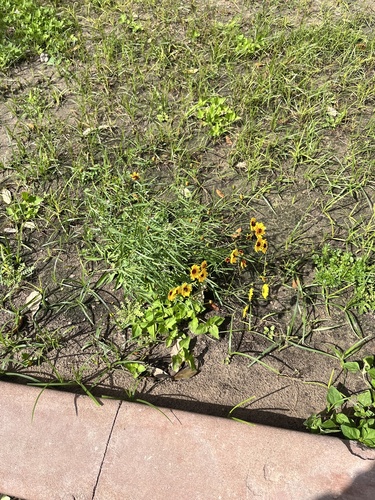
1 plains coreopsis
Coreopsis tinctoria
Description: A popular annual wildflower featuring brilliant yellow petals with reddish-brown centers.
Ecological Services: Attracts a huge variety of pollinators including butterflies, bees, and flies; seeds eaten by finches.
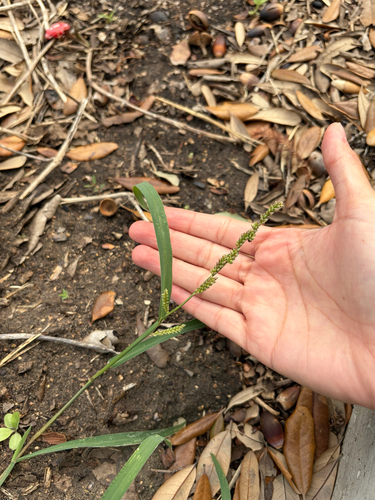
2 Jungle Rice
Echinochloa colona
Description: A common tropical grass species often found in wet or agricultural areas.
Ecological Services: Serves as forage for grazing animals and provides shelter in wetland margins.
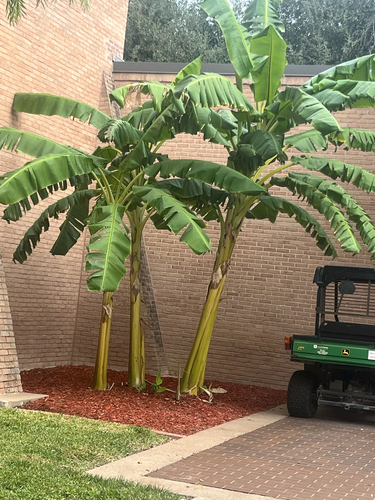
3 Bananas
Musa
Description: Large herbaceous plants valued for their elongated, sweet fruits; thrive in warm, humid climates.
Ecological Services: Provides food for various wildlife; large leaves offer shelter and microclimates for small organisms.
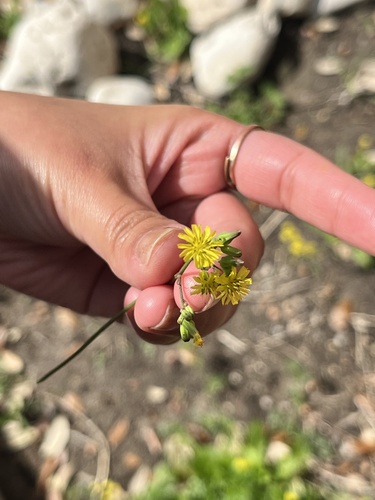
4 Oriental false hawksbeard
Youngia japonica
Description: An invasive weed resembling dandelions but with multiple small yellow flower heads on branching stems.
Ecological Services: Provides some nectar resources but can outcompete native ground cover species.
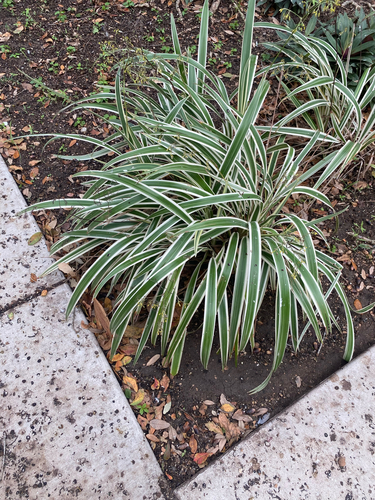
5 agave and allies
Asparagaceae
Description: Succulent plants forming large rosettes of fleshy leaves, often with sharp terminal spines.
Ecological Services: Provides critical moisture and nectar resources for desert wildlife, including bats and hummingbirds.
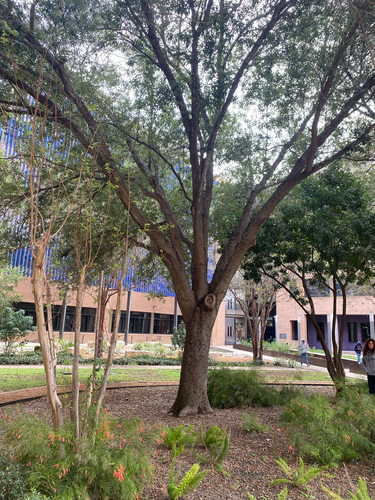
6 Dicots
Magnoliopsida
Description: A diverse group of flowering plants characterized by having two seed leaves (cotyledons) upon germination.
Ecological Services: Forms the basis of many terrestrial food webs, providing sustenance and habitat.
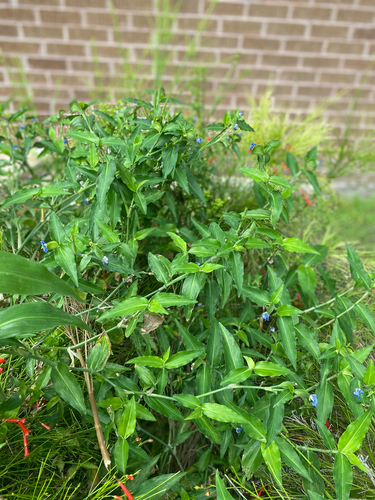
7 whitemouth dayflower
Commelina erecta
Description: An herbaceous plant with distinctive asymmetrical flowers featuring two bright blue upper petals and one small white lower petal.
Ecological Services: Flowers briefly provide pollen primarily to native bees before closing by midday.
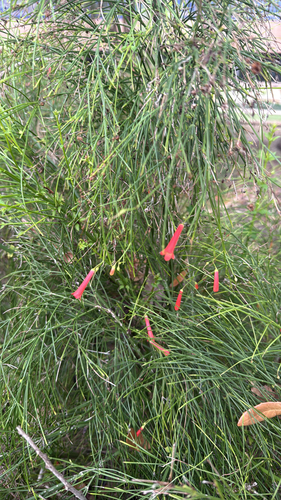
8 Firecracker plant
Russelia equisetiformis
Description: An attractive perennial known for its weeping branches covered in vivid, tubular red flowers.
Ecological Services: Excellent nectar source, specifically adapted for pollination by hummingbirds and certain butterflies.
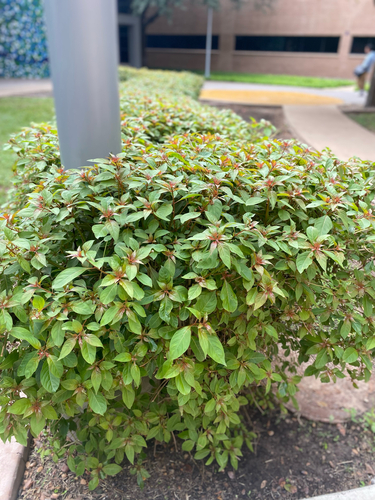
9 Firebush
Hamelia patens
Description: A fast-growing shrub that boasts bright orange-red tubular flowers and dark berries.
Ecological Services: A magnet for hummingbirds and butterflies; berries are a favorite of various bird species.
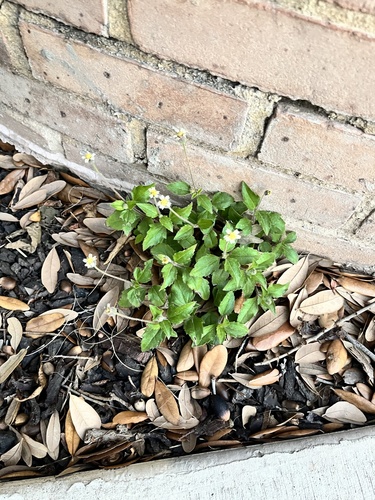
10 Tridax Daisy
Tridax procumbens
Description: A widespread, low-growing weed with distinctive, heavily toothed ray flowers.
Ecological Services: Provides continuous, small amounts of nectar supporting small butterflies and bees in disturbed areas.
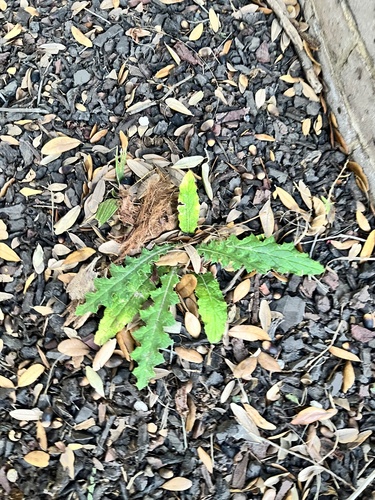
11 Texas Thistle
Cirsium texanum
Description: A native thistle with spiny leaves and striking purple-pink flower heads.
Ecological Services: An excellent nectar source for bumblebees and butterflies; goldfinches consume the seeds and use the thistledown for nests.
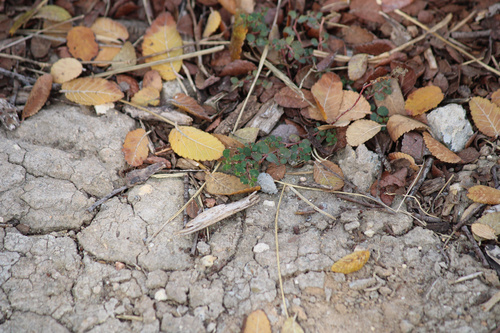
12 prostrate sandmat
Euphorbia prostrata
Description: A very low-growing, mat-forming spurge commonly found creeping in cracks and bare soil.
Ecological Services: Provides ground cover and soil stabilization in disturbed areas; seeds eaten by ground bugs.
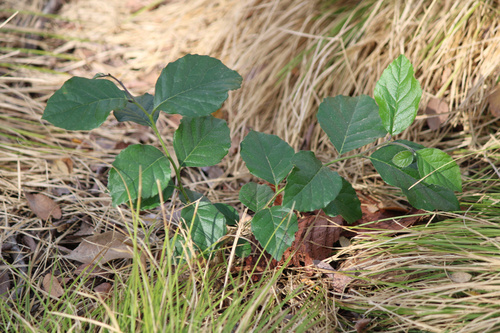
13 Anacua
Ehretia anacua
Description: A medium-sized evergreen tree recognized by its rough, sandpaper-like leaves and clusters of white blossoms.
Ecological Services: Produces berries that are a vital food source for birds and small mammals; excellent shade tree.
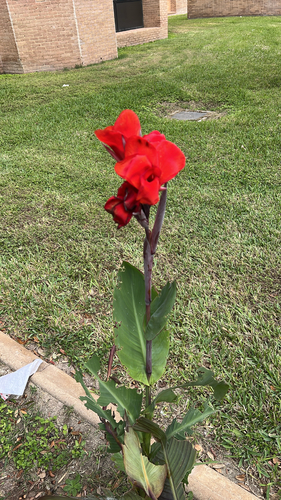
14 Indian shot
Canna indica
Description: A tropical rhizomatous perennial featuring large, broad leaves and vibrant, asymmetric flowers.
Ecological Services: Attracts pollinators and the dense foliage provides shelter for amphibians and small reptiles.
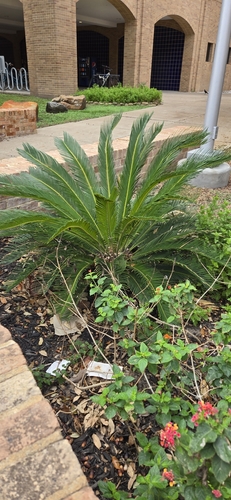
15 Cycads
Cycadales
Description: Ancient, palm-like gymnosperms with a stout trunk and a crown of large, stiff, evergreen leaves.
Ecological Services: Provides habitat complexity and their seeds can be a food resource for specialized insect and animal species.
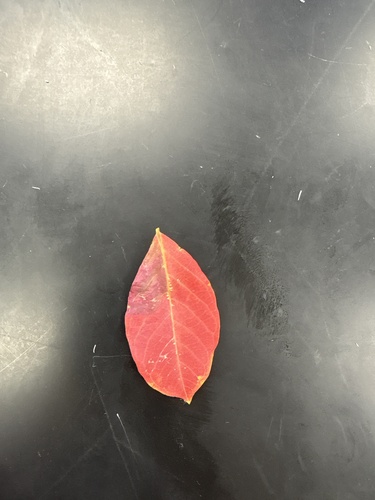
16 Crape-myrtle
Lagerstroemia indica
Description: A popular ornamental tree or shrub prized for its long-lasting, colorful and frilly summer blooms.
Ecological Services: Provides nectar for pollinators and its dense branching offers nesting sites for small birds.
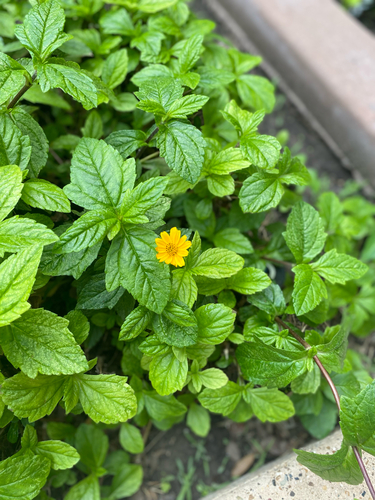
17 Trailing Daisy
Sphagneticola trilobata
Description: A creeping, mat-forming plant adorned with small, yellow, daisy-like flowers.
Ecological Services: Provides ground cover and serves as a nectar source for small insects.
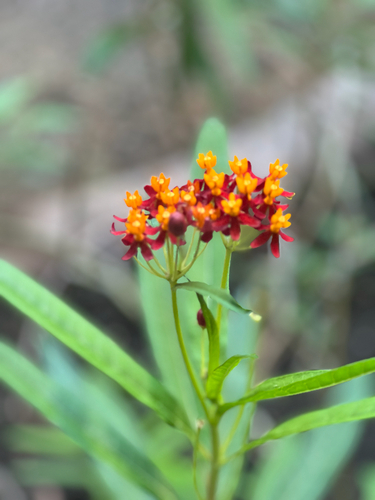
18 tropical milkweed
Asclepias curassavica
Description: An upright perennial boasting striking clusters of red and orange flowers; non-native to many areas.
Ecological Services: Extremely attractive to Monarchs as a host plant, though its non-native status can disrupt migration patterns.
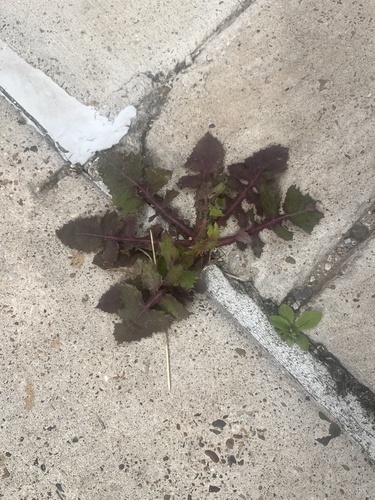
19 Common Sow-thistle
Sonchus oleraceus
Description: An annual weed with yellow flowers and sap, often found in disturbed soils and cultivated areas.
Ecological Services: Serves as a host plant for certain aphid species, which in turn feed predatory insects like ladybugs.
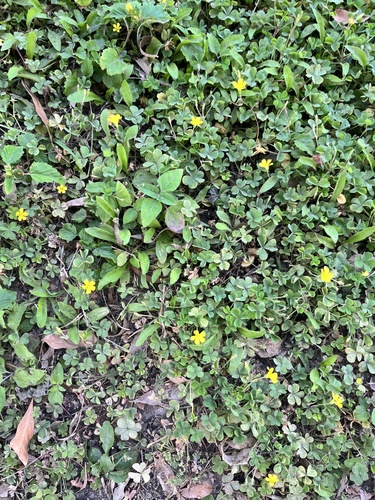
20 Creeping Woodsorrel
Oxalis corniculata
Description: A low-growing herbaceous plant with clover-like leaves and small yellow flowers, often considered a weed.
Ecological Services: Acts as ground cover, helping to prevent soil erosion and retaining soil moisture.
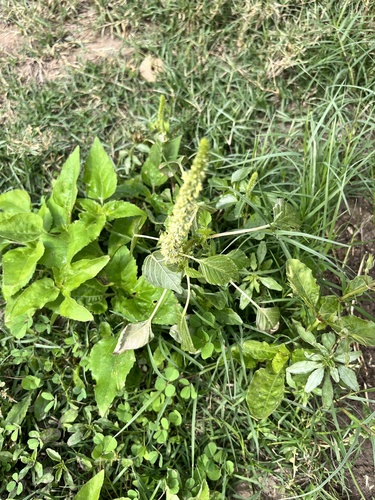
21 Palmer's Amaranth
Amaranthus palmeri
Description: A fast-growing, aggressive summer annual weed capable of producing massive amounts of seed.
Ecological Services: While a major agricultural weed, its abundant seeds are consumed by doves and other seed-eating birds.
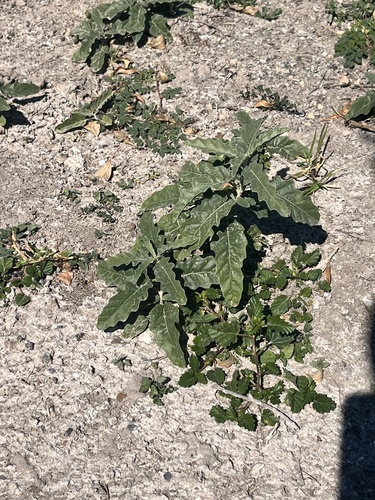
22 silverleaf nightshade
Solanum elaeagnifolium
Description: A deep-rooted perennial weed with silvery, often prickly leaves and attractive purple flowers.
Ecological Services: Flowers provide pollen for bumblebees, though the plant is toxic to livestock.
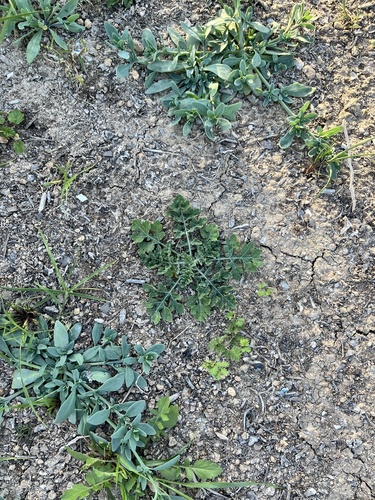
23 Santa Maria feverfew
Parthenium hysterophorus
Description: An aromatic annual weed with deeply dissected leaves and small white flowers without prominent ray petals.
Ecological Services: Can dominate disturbed areas; provides minimal ecological services and can be a skin irritant.
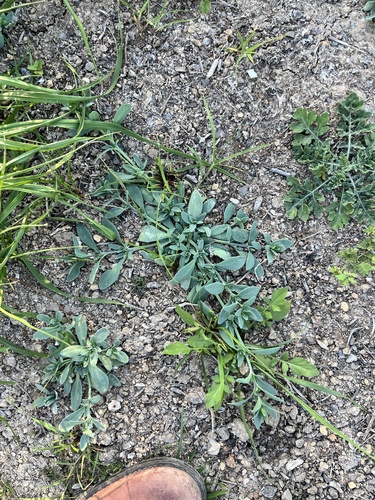
24 alkali heliotrope
Heliotropium curassavicum
Description: A low-growing, somewhat fleshy plant adapted to saline or alkaline soils, featuring curved clusters of small white flowers.
Ecological Services: Provides nectar and pollen for small insects in harsh, saline environments.
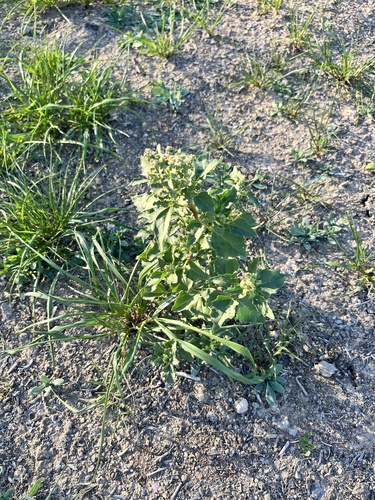
25 rough cocklebur
Xanthium strumarium
Description: A coarse annual weed known for its distinctive, spiny, egg-shaped burs that cling to fur and clothing.
Ecological Services: Can be ecologically invasive; however, the seeds inside the burs are eaten by some bird species.
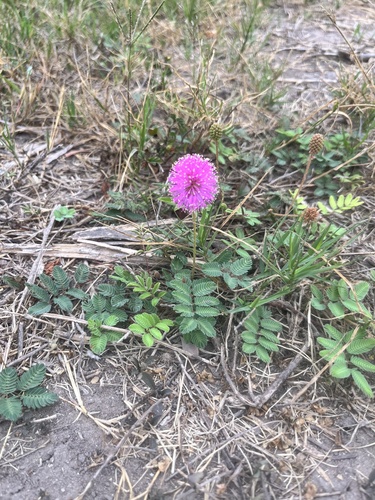
26 sunshine mimosa
Mimosa strigillosa
Description: A low-growing, creeping groundcover featuring delicate, fern-like leaves and striking, pink, puffball flowers.
Ecological Services: Excellent nitrogen fixer for the soil and provides a sturdy ground cover that outcompetes weeds.
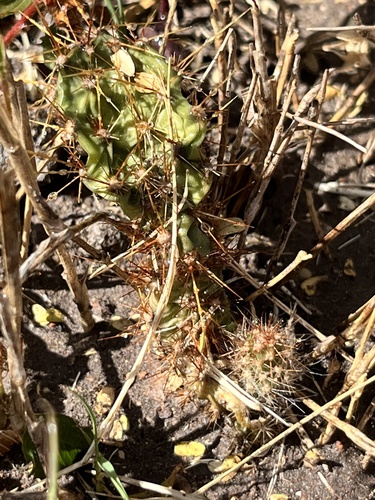
27 Engelmann Prickly Pear Complex
Opuntia engelmannii
Description: A prominent cactus with flat, rounded pads (cladodes), striking yellow flowers, and reddish-purple fruit.
Ecological Services: Crucial food and water source for desert wildlife; provides protected nesting sites for birds and rodents.
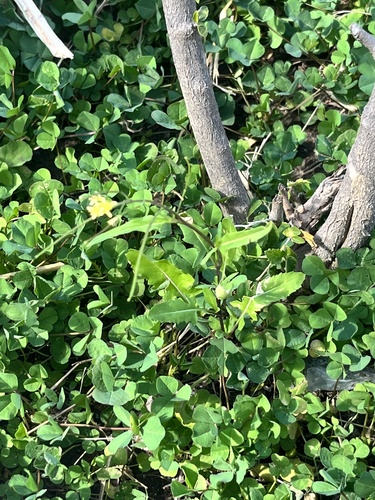
28 London rocket
Sisymbrium irio
Description: An annual winter weed in the mustard family, displaying small yellow flowers and long seed pods.
Ecological Services: One of the early blooming plants, providing crucial early-season nectar for emerging pollinators.
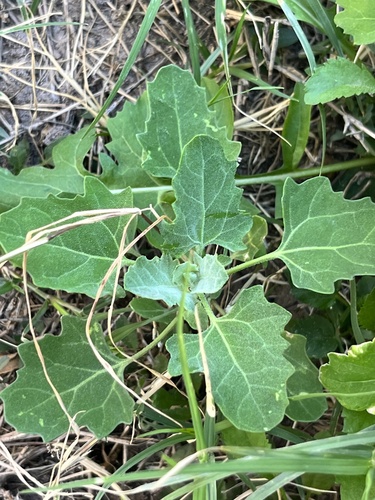
29 pitseed goosefoot
Chenopodium berlandieri
Description: An annual weedy herb found in disturbed habitats, producing many small, clustered flowers.
Ecological Services: Produces abundant seeds that are consumed by various bird species.
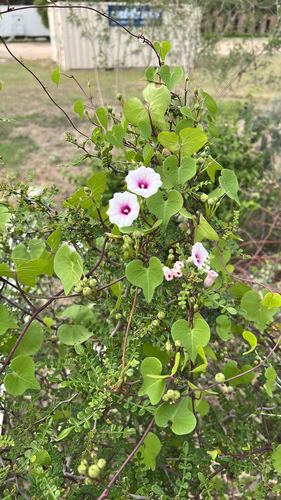
30 Redcenter Morning-glory
Ipomoea amnicola
Description: A trailing or climbing vine characterized by funnel-shaped white flowers with a prominent red or magenta center.
Ecological Services: Provides nectar and its dense vines offer shelter for insects and small reptiles.
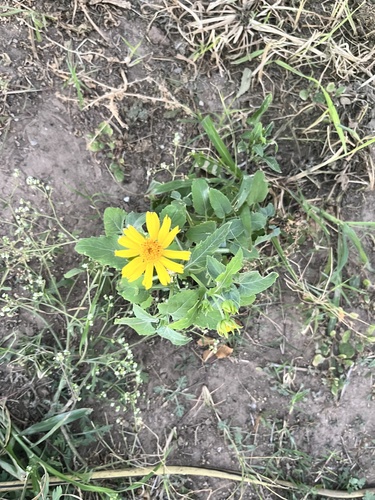
31 cowpen daisy
Verbesina encelioides
Description: A bushy annual wildflower featuring grayish-green foliage and bright yellow, sunflower-like blooms.
Ecological Services: An important nectar source and hosts the caterpillars of the Bordered Patch butterfly.
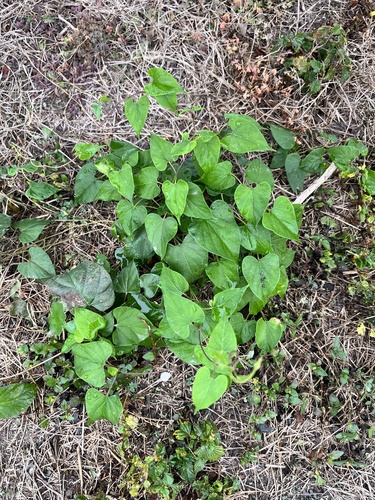
32 Talayote
Cynanchum unifarium
Description: A vining milkweed plant characterized by distinctive, somewhat spiny-looking seed pods.
Ecological Services: Serves as a host plant for Monarch and Queen butterfly caterpillars.
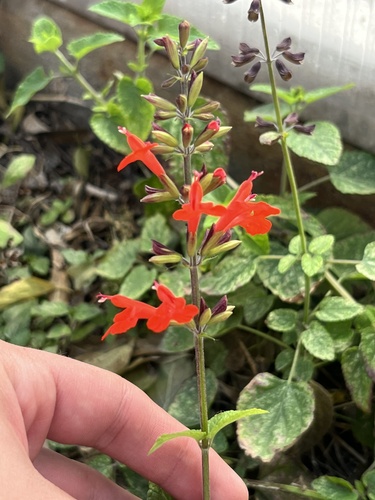
33 Tropical sage
Salvia coccinea
Description: An herbaceous perennial known for its striking spikes of brilliant red tubular flowers.
Ecological Services: A premier plant for attracting hummingbirds and butterfly species such as swallowtails.
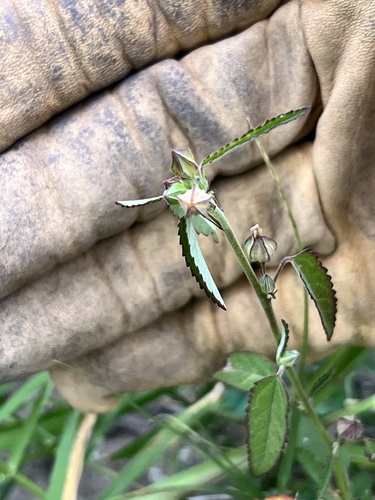
34 prickly fanpetals
Sida spinosa
Description: A low, branching herbaceous weed in the mallow family with small, pale yellow flowers.
Ecological Services: Provides a food source for some insect larvae and nectar for small pollinators.
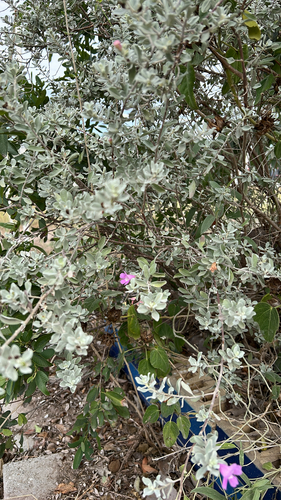
35 cenizo
Leucophyllum frutescens
Description: Also known as Texas Sage, a drought-tolerant shrub with silvery foliage that bursts into purple blooms after rainfall.
Ecological Services: Provides cover for small wildlife and its spectacular blooms are a boom for local pollinators.
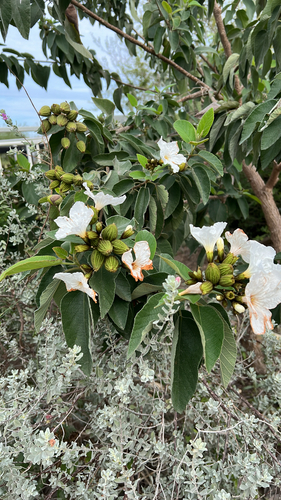
36 Anacahuita
Cordia boissieri
Description: Also known as the Mexican Olive, a small tree adorned with striking white flowers and olive-like fruit.
Ecological Services: Attracts pollinators like bees and butterflies; provides nesting sites for birds.
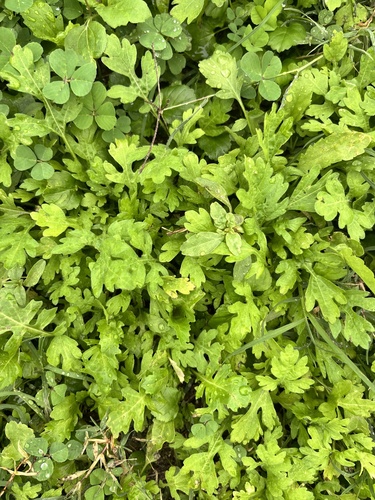
37 Lazy Daisy
Aphanostephus ramosissimus
Description: A small, sprawling wildflower with simple, daisy-like blooms that open during the day.
Ecological Services: Provides nectar and pollen for small native bees and syrphid flies.
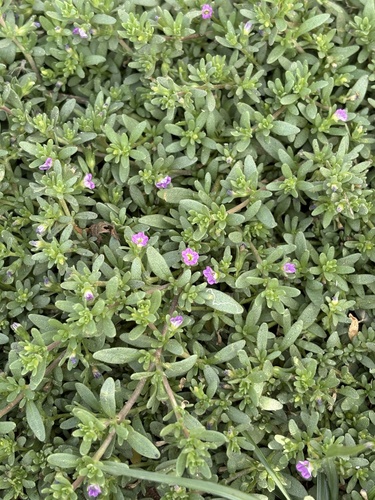
38 seaside petunia
Calibrachoa parviflora
Description: A sprawling perennial with fleshy leaves and showy, purple, funnel-shaped flowers, often found near coasts.
Ecological Services: Crucial nectar source in coastal ecosystems and helps stabilize sandy soils.
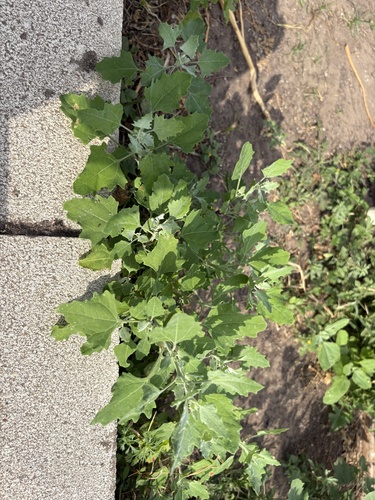
39 Goosefoots
Chenopodium
Description: A group of weedy plants often found in saline or nitrogen-rich soils, characterized by their leaf shape.
Ecological Services: Produces abundant seeds that are an important food source for granivorous birds and small rodents.
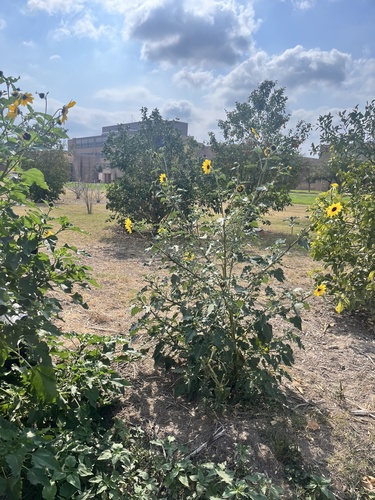
40 Common Sunflower
Helianthus annuus
Description: A tall, robust annual plant featuring large, bright yellow flower heads that track the sun.
Ecological Services: Critical food source for birds and small mammals; attracts a wide array of native bees and butterflies.
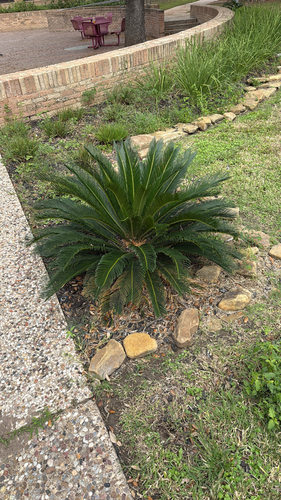
41 Sago cycad
Cycas revoluta
Description: A popular ornamental landscape plant resembling a small palm, though it is a gymnosperm.
Ecological Services: Generally provides structure and aesthetic value; all parts are highly toxic to pets and humans.
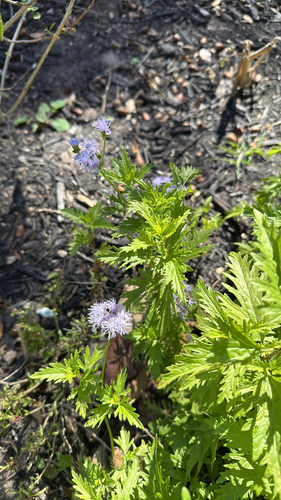
42 Palmleaf Mistflower
Conoclinium dissectum
Description: A sprawling perennial known for its fuzzy, lavender-blue flower clusters that bloom primarily in autumn.
Ecological Services: An essential late-season nectar source, highly attractive to migrating Monarch butterflies and other pollinators.
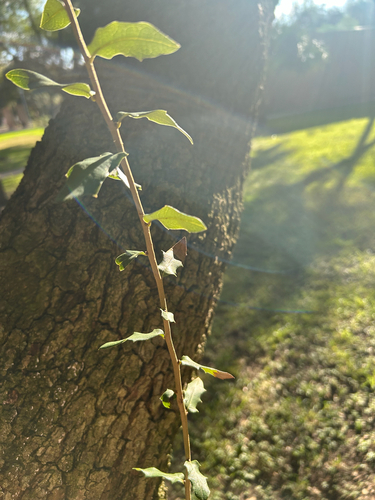
43 Texas live oak
Quercus fusiformis
Description: A majestic, long-lived evergreen oak with a broad, spreading canopy, iconic to the Texas landscape.
Ecological Services: Provides extensive shade, habitat, and produces acorns essential to diverse wildlife; highly wind resistant.
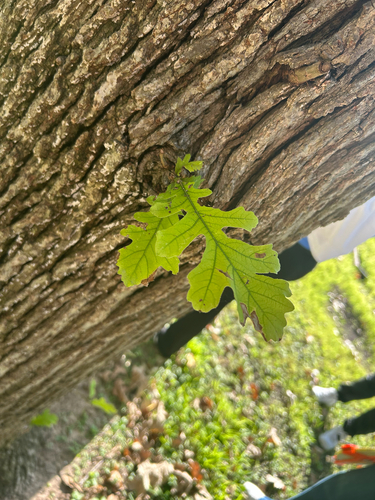
44 bur oak
Quercus macrocarpa
Description: A massive, majestic native oak tree known for its very large acorns with heavily fringed cups.
Ecological Services: Exceptional wildlife value; provides abundant acorns, nesting sites, and hosts hundreds of insect species.
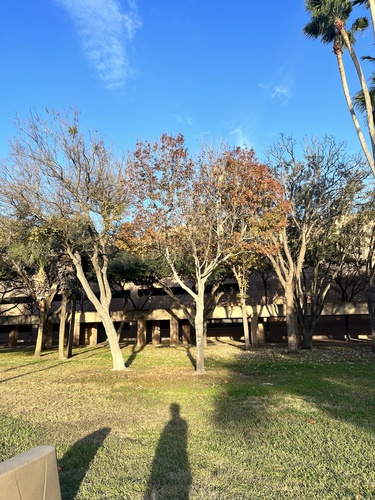
45 Shumard oak
Quercus shumardii
Description: A large, deciduous shade tree known for its strongly lobed leaves and vibrant red autumn color.
Ecological Services: Produces acorns that are a vital food source for deer, squirrels, and various birds; hosts many caterpillar species.
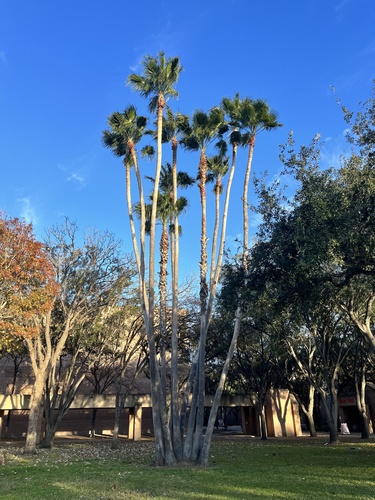
46 Mexican Fan Palm
Washingtonia robusta
Description: A very tall, slender, fast-growing palm tree with a crown of palmate fan-shaped leaves.
Ecological Services: Provides nesting sites for birds and bats in the 'petticoat' of dead leaves often retained on the trunk.
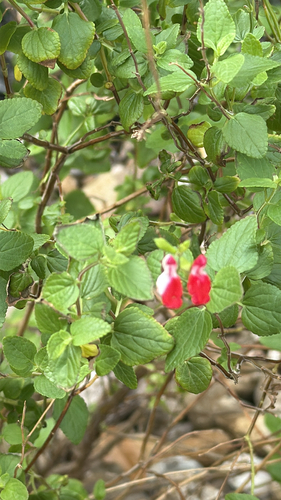
47 Baby Sage
Salvia microphylla
Description: A small, shrubby sage known for its vibrant red or pink tubular flowers that bloom prolifically.
Ecological Services: Highly attractive to hummingbirds and long-tongued insects which act as essential pollinators.
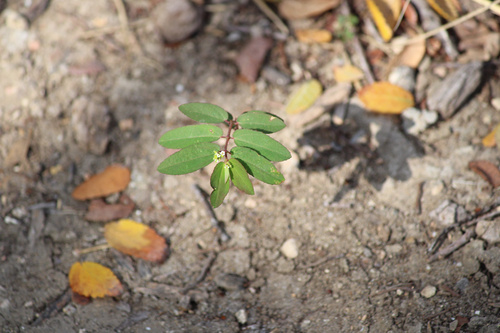
48 graceful spurge
Euphorbia hypericifolia
Description: A delicate, airy plant native to dry areas, often with milky sap.
Ecological Services: Provides minor nectar resources; sap deters many herbivores, allowing it to survive in grazed lands.
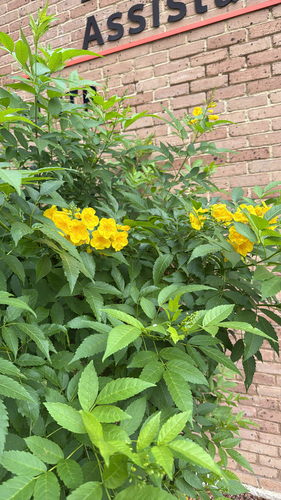
49 yellow trumpet flower
Tecoma stans
Description: A fast-growing, semi-evergreen shrub or small tree showcasing large, brilliant yellow, trumpet-shaped blossoms.
Ecological Services: A major attractant for hummingbirds, bees, and butterflies while providing substantial landscape color.
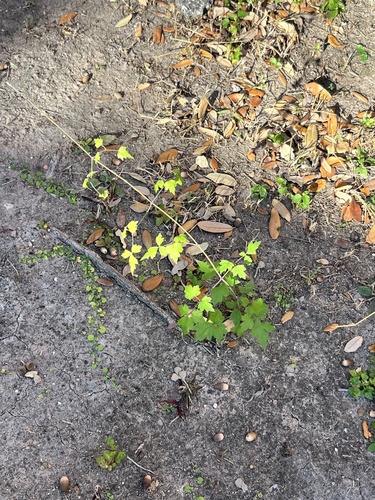
50 Texas virgin's bower
Clematis drummondii
Description: A climbing, deciduous vine covered in profuse, small, white, fragrant flowers in late summer.
Ecological Services: Attracts numerous pollinators and provides dense nesting cover in its tangled vines.
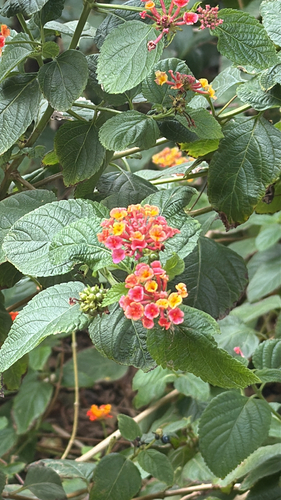
51 Lantanas
Lantana
Description: Shrubs known for their rounded clusters of small, brightly colored flowers that often change color as they mature.
Ecological Services: Exceptional nectar producers, attracting a huge variety of butterflies and bees throughout the growing season.
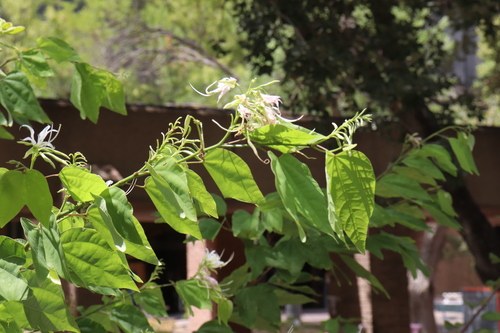
52 Orchid Trees
Bauhinia
Description: Tropical trees noted for their spectacular, orchid-like flowers and distinct bilobed leaves.
Ecological Services: Attracts a variety of pollinators, including bees and hummingbirds, during its blooming periods.
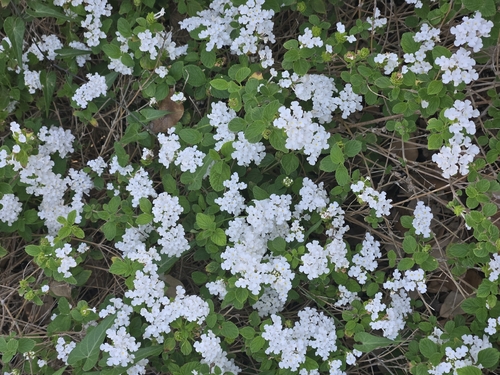
53 Velvet Lantana
Lantana velutina
Description: A shrubby lantana species with notably soft, velvety leaves and clusters of vibrant flowers.
Ecological Services: Strong nectar producer attracting a wide diversity of butterflies and bees.
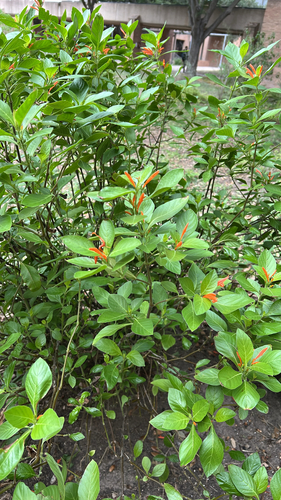
54 Mexican Honeysuckle
Justicia spicigera
Description: A small, soft-wooded shrub featuring bright green leaves and clusters of striking orange tubular flowers.
Ecological Services: Highly attractive to hummingbirds and provides dense cover for small birds.
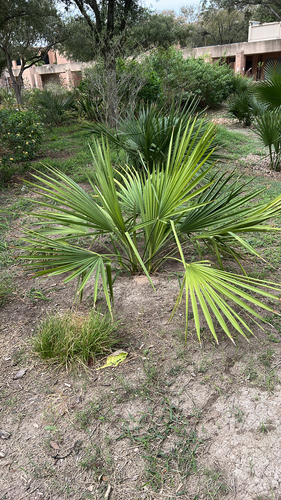
55 Dwarf Palmetto
Sabal minor
Description: A small, stemless palm featuring deeply divided, fan-shaped leaves emerging from a subterranean trunk.
Ecological Services: Offers dense cover for wildlife and its fruit is eaten by bears, raccoons, and numerous bird species.
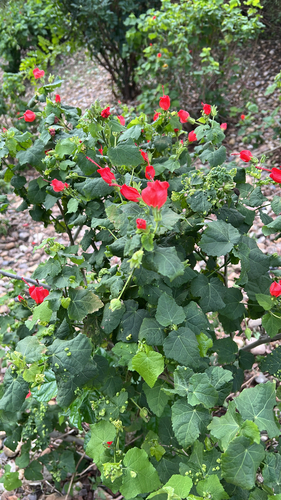
56 Turk's cap
Malvaviscus arboreus
Description: A versatile shrub with fascinating flowers that resemble a tightly wrapped, red turban.
Ecological Services: Highly drought-tolerant; its flowers are perfectly structured for hummingbird pollination.
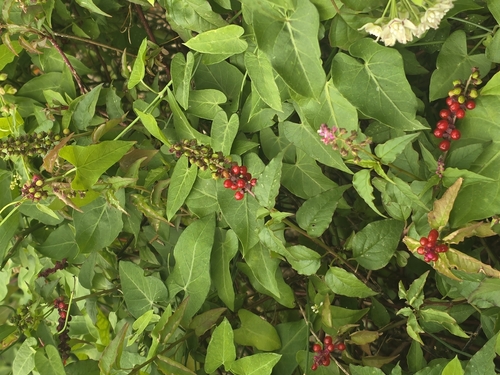
57 pigeonberry
Rivina humilis
Description: A small, shade-tolerant perennial that often simultaneously displays small pinkish flowers and bright red berries.
Ecological Services: Berries are heavily favored by birds, while the flowers provide nectar for small butterflies.
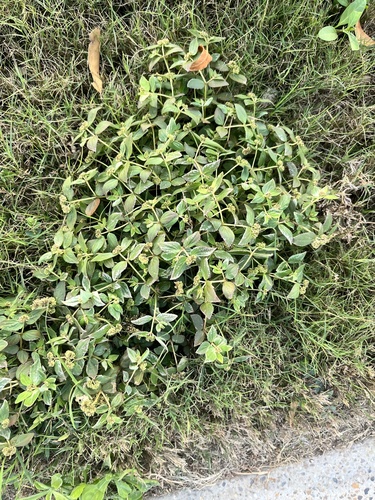
58 Florida Hammock Sandmat
Euphorbia ophthalmica
Description: A low-growing, mat-forming plant typically found in sandy or disturbed soils.
Ecological Services: Helps in soil stabilization in sandy areas and provides ground cover for small ground-dwelling insects.
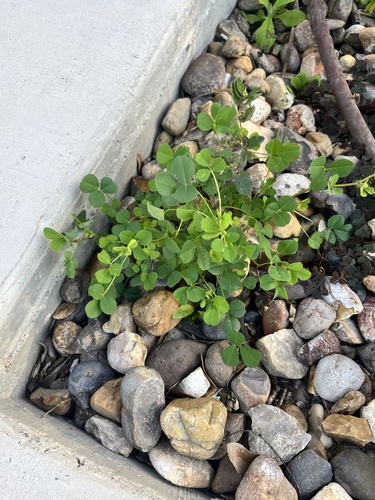
59 bur clover
Medicago polymorpha
Description: A low-growing annual legume characterized by clover-like leaves and small, spiny seed pods (burs).
Ecological Services: Fixes nitrogen in the soil, improving soil fertility; foliage is edible forage.
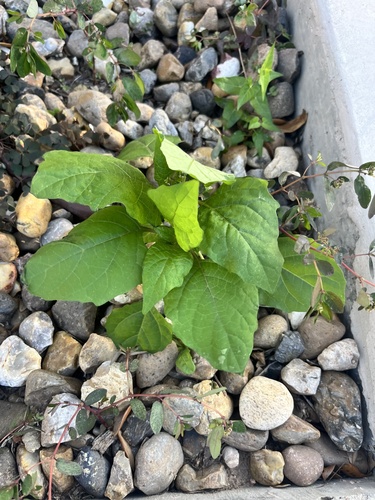
60 American black nightshade
Solanum americanum
Description: An herbaceous plant in the nightshade family, often producing small white flowers and dark berries.
Ecological Services: Provides food for birds which disperse the seeds, though foliage can be toxic to some mammals.
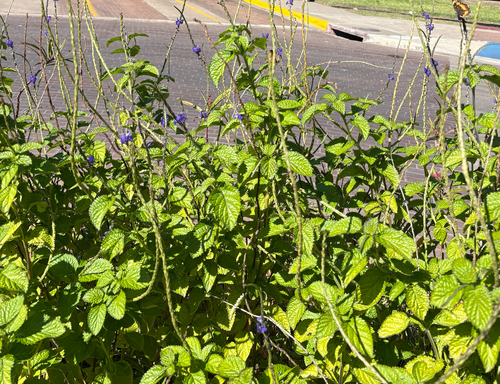
61 Porterweeds
Stachytarpheta
Description: Tropical perennials with long, rat-tail-like floral spikes that bear small, vibrant flowers.
Ecological Services: Flowers are rich in nectar and are highly preferred by butterflies and hummingbirds.
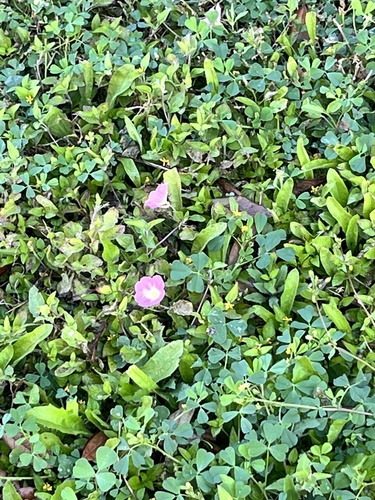
62 Pinkladies
Oenothera speciosa
Description: A low-growing perennial with showy, pink, cup-shaped flowers that open in the evening or on cloudy days.
Ecological Services: Attracts nocturnal and crepuscular pollinators, such as sphinx moths.
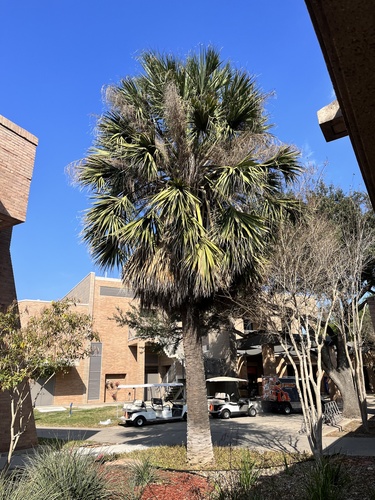
63 Mexican Palmetto
Sabal mexicana
Description: A robust, native palm tree with a thick trunk and large, fan-shaped fronds, well-adapted to the local climate.
Ecological Services: Provides crucial habitat and nesting material for the endangered ocelot and numerous bird species, including orioles.
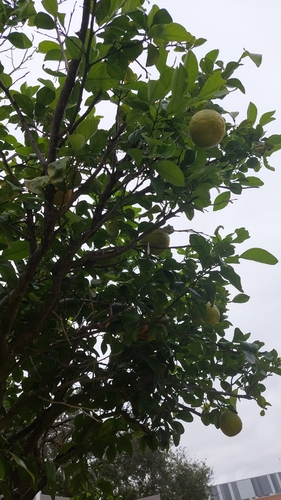
64 citrus
Citrus
Description: A genus of flowering trees and shrubs renowned for their fragrant blossoms and juicy, segmented fruits.
Ecological Services: Hosts the caterpillars of the Giant Swallowtail butterfly; blossoms attract bees.
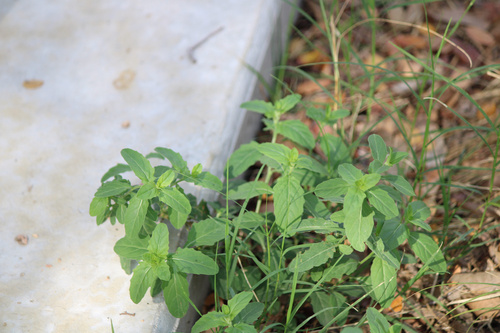
65 Plants
Plantae
Description: A general categorization for the kingdom Plantae, representing all terrestrial and aquatic flora.
Ecological Services: The foundational producers of all ecosystems, providing oxygen, food, and habitat.
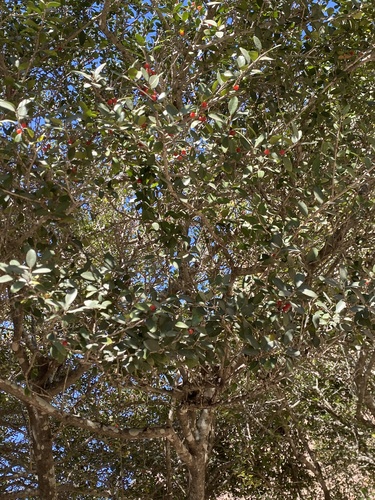
66 Yaupon Holly
Ilex vomitoria
Description: A hardy, native evergreen shrub or small tree, notable for its bright red berries on female plants.
Ecological Services: The berries are an crucial winter food source for birds, particularly mockingbirds and cedar waxwings.
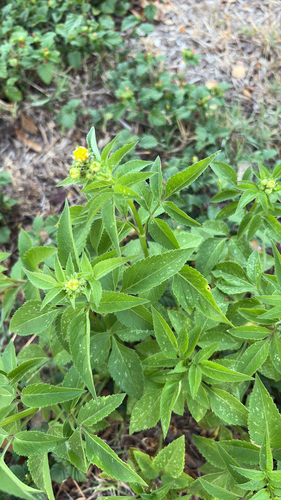
67 Asteroideae
Asteroideae
Description: A subfamily of the aster family, encompassing a wide variety of daisy-like flowering plants.
Ecological Services: Key nectar and pollen sources for a diverse range of pollinating insects.